

When Is a Tree Dangerous? 7 Warning Signs Homeowners Shouldn’t Ignore
Trees add beauty, shade, and value to your property, but when a tree becomes unhealthy or unstable, it can quickly turn into a serious safety risk. The challenge for most homeowners is knowing when a tree is actually dangerous and when it’s time to call a professional tree service.
Many hazardous trees don’t fail gradually. They fail suddenly, often during storms, high winds, or heavy snow. Learning the warning signs early can help you prevent property damage, power outages, or personal injury.
Below are seven common signs that a tree on your property may be dangerous.
Large Dead or Falling Branches
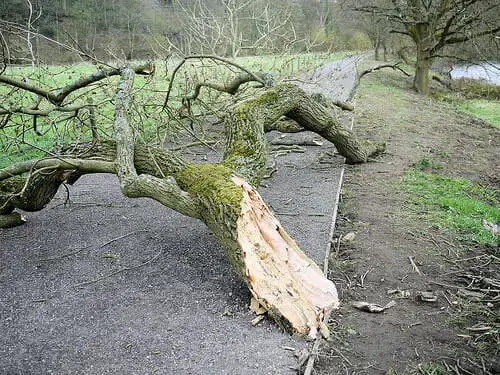
Dead branches are one of the most obvious red flags. If you notice large limbs falling on their own or branches that no longer produce leaves during growing season, the tree may be in decline.
Dead wood becomes brittle and unpredictable, especially during wind or ice events. Even healthy-looking trees can pose a risk if dead branches are left untreated.
Cracks or Splits in the Trunk

Vertical cracks, deep splits, or seams in the trunk can indicate structural failure inside the tree. These weaknesses often worsen over time and can cause the tree to split apart without warning.
If you can see inside a crack or notice it growing larger, the tree should be inspected as soon as possible.
The Tree Is Leaning More Than Before
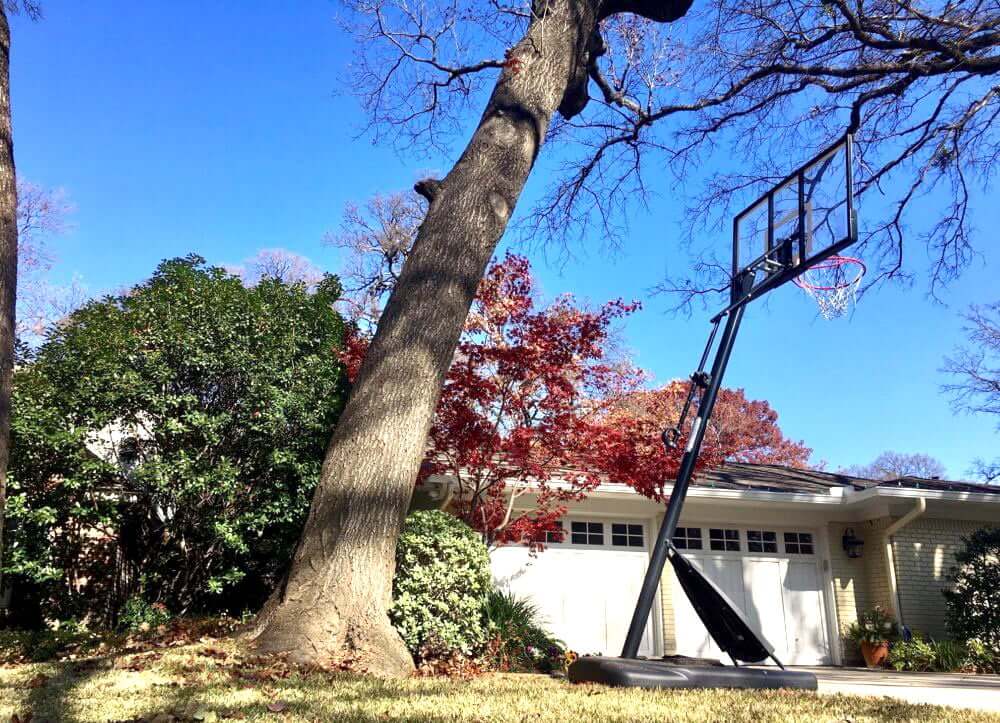
A slight lean doesn’t always mean danger, but a recent or increasing lean is a major concern. This often points to root damage, soil instability, or storm impact.
Trees that lean toward homes, driveways, or power lines are especially risky and should not be ignored.
Mushrooms or Fungus at the Base

Fungal growth around the base of a tree or along the trunk often signals internal rot. While mushrooms themselves are not harmful, they usually indicate decay happening below the surface.
Root or trunk rot significantly weakens a tree’s ability to support its own weight.
Hollow or Soft Wood

It’s temIf parts of the trunk sound hollow when tapped or feel soft and crumbly, the tree’s internal structure may already be compromised.
Hollow trees can appear stable for years and then fail suddenly, especially under stress from wind or snow.
Opting to choose the lowest quote, especially for large tree projects. However, significantly lower pricing often indicates corners being cut, including lack of insurance, outdated equipment, or insufficient training.
Root Damage or Lifting Ground

Roots that are visible, damaged, or causing pavement and walkways to lift are signs that the tree may be struggling to anchor itself.
Construction, trenching, or soil erosion can all weaken a tree’s root system. Once roots are compromised, stability becomes unpredictable.
Recent Storm or Wind Damage

Storms often cause damage that isn’t immediately visible. High winds can crack limbs, loosen roots, or shift the tree’s balance.
If your property experienced a strong storm, it’s smart to have trees inspected, even if they still appear upright and intact.
Why Ignoring These Signs Is Risky

Putting off tree maintenance can lead to:
- Sudden tree or limb failure
- Damage to homes, vehicles, fences, or power lines
- Costly emergency removals
- Insurance complications if neglect is documented
Addressing issues early is usually safer and more affordable than waiting for a failure to occur.
When to Call a Professional Tree Service

If you notice any combination of these warning signs, it’s time to contact a professional tree service. Certified arborists can determine whether a tree can be trimmed, stabilized, or if removal is the safest option.
A professional inspection provides peace of mind and helps you make informed decisions about your property.
Contact Us
Fill out the form below to request a free, no-obligation estimate.
Frequently Asked Questions
Do you offer free estimates?
Yes. We provide free, no-obligation estimates for all residential and commercial tree services. Every property is different, and we take the time to assess your needs properly before recommending a solution.
Are you licensed and insured?
Absolutely. Orion Tree Service is fully licensed and insured for your protection. Our experienced crew follows strict safety protocols to protect your property, our team, and surrounding structures.
Do you handle emergency tree removal?
Yes. We offer emergency response for storm damage, fallen trees, and hazardous situations. If a tree poses an immediate risk to people or property, please contact us directly for priority service.
Will tree removal damage my property or landscaping?
Protecting your property is a top priority. We use professional rigging techniques and careful planning to minimize impact to lawns, driveways, and surrounding structures. We always leave your property clean and safe.
What areas do you serve?
We proudly serve Lee, NH and the surrounding Oyster River and Seacoast communities. If you’re unsure whether you’re within our service area, feel free to reach out and ask.
